
What in the hellish reverse puberty is happening to me?
A primer on perimenopause and YOU--from a dermatologist's perspective
You can’t go anywhere without hearing about perimenopause anymore.
And if you’re 40+ (like me), the algorithm has surely found you and has bombarded you with its various signs, symptoms, supplements, and skincare recommendations.
As a dermatologist, I’ve been dealing with the signs and symptoms of perimenopause long before it entered the zeitgeist because many of these show up in the skin and hair. The beauty of perimenopause finally getting the attention that it deserves is that I’ve had the opportunity to learn more about it and bring that information to my patients to not only treat their symptoms, but help them feel less alone and less crazy about what they are noticing happen to their bodies.
I see patients every single day who are dealing with one or more issues that can be chalked up to perimenopause, so let’s talk about it! Now, I am not an OBGYN, so I’ll be talking about what I have observed in caring for patients over the last decade, with a sprinkle of personal experience. If you’re looking for more information, I think Dr. Jen Gunter is a great one to listen to on this topic. She’s meticulous about discussing what the evidence actually shows and debunking a lot of the social media noise.
And as always, you deserve more than social media self-diagnosis and online platforms (especially in this realm, which has become a real cash grab). Please talk to an actual doctor who is certified in perimenopause/menopause if your symptoms are truly affecting you and your quality of life.
What exactly IS perimenopause?
A quick breakdown of what’s going on here:
Menopause is defined as not having a period for a full 365 days. That’s right—menopause is actually a defined time point, not a syndrome. Perimenopause is the hormonal chaos that ensues in the years prior to this. It’s not so much an official diagnosis as it is a constellation of signs and symptoms caused by these hormone fluctuations. It’s generally thought that these symptoms start 5-10 years prior to official menopause, but may start even earlier than previously thought
On a very, very basic level, this is what’s happening:
Your menstrual cycle hormones are a series of Rube Goldberg-esque events in which one step triggers another. Estrogen is just one ball-on-a-string in this monthly hormonal machine. As we women get older, our ovaries start to poop out due to fewer eggs in the basket, meaning that estrogen levels drop. This leads to subsequent chaos in the rest of the hormonal machine, with over and understimulation of various receptors that are used to fairly regular feedback, leading to the symptoms of perimenopause. If you aren’t familiar, this includes irregular periods, heavier or lighter periods, mood changes (depression, anxiety, irritability), trouble sleeping, hot flashes, weight gain, brain fog, joint pain, and so much moret! I have affectionally called this “reverse puberty” because I think it accurately depicts for my patients what exactly is happening in their bodies. And of course, for many of us with children, this lines up with our kids’ not-reverse puberty, which may be one of the cruelest jokes that nature plays 🫠
So where does a dermatologist come in?
In my experience, some of the earliest signs of perimenopause show up in the skin and hair. Here are the most common complaints I see:
Scalp stuff. From increased dryness and flaking to oiliness and even breakouts on the scalp and hairline, I see all of it.
Itchiness and rashes. Decline in estrogen means a decrease in moisture of the skin, which can lead to a drier, more vulnerable skin barrier, and itching out of nowhere. This can also mean increased sensitivity to products, and in some cases, new onset rosacea.
Hair loss. This includes increased shedding, female pattern hair loss, and sometimes inflammatory disorders of the scalp that can lead to scarring of the scalp and permanent hair loss.
ACNE. This is the biggie. I see a ton of women who didn’t previously have issues with acne start to experience breakouts, sometimes correlating with their menstrual cycles, sometimes not. More often than not, they experience cystic (ie under the skin, larger, sometimes painful) pimples as opposed to the superficial whiteheads and red pimples that are more easily treated with topical acne medications.
A decrease in skin elasticity. This is a weird one, but I’ve had many many patients come in to me over the years feeling like their skin has started sagging in what feels like overnight.
How do I know if I’m in perimenopause?
Great question. In general, perimenopause is more a constellation of symptoms as opposed to a true diagnosis, so there’s no true test for it. Blood tests aren’t necessarily helpful as hormones by definition in this period are fluctuating wildly and only reflect what’s happening in any given moment in time.1
Here is what I find additionally tricky about these skin and hair symptoms for my female patients in their late 30s-early 40s. For many of us, we spent our 20s on birth control, our 30s in the mix of fertility stuff—pregnancy, postpartum-ness, breastfeeding, years of sleepless nights, to come out at our late 30s once everything has finally settled down2, only to find that many of us have no idea what our hormonal cycles actually look like in their unadulterated state.
At the end of the day, if you are having symptoms severe enough to see a doctor, that doctor should be taking the time to listen to you and offer possible solutions, perimenopause or not. And if you’re checking more boxes than just the symptoms I see in skin and hair, it’s definitely worth seeing an OBGYN to discuss.
What do I do if I think I’m experiencing symptoms?
Paying attention and noticing your symptoms, and paying attention to them in relationship to your menstrual cycles is the first step. If you are like me and are not getting periods due to your contraceptive method of choice, then tracking becomes trickier, but maybe even more important so you know that when you want to burn your life down and run away to live in the woods and also just sleep for 10+ hours a day, maaaayyyyybe it’s just your hormones :). There are lots of apps designed to help track cycles, but I prefer a good ol’ phone note with dates and symptoms.
If possible, talk to your mom about her symptoms. Utility of this information will depend on how reliable a historian your mother is, or how in touch she was with her symptoms, but the more knowledge the better!
Try to keep your skincare routine as simple and consistent as possible so you can eliminate sensitivity offenders easily. Resist the urge to throw a bunch of new products at your skin in effort to control things, or to stay 30-something forever. This is a losing battle anyway, and you don’t need to give yourself a rash on top of an existential crisis!
In the words of Joanna Goddard, take gentle care of yourself, which in my case means gentle skincare for your bod. Don’t boil yourself in hot showers as this will make dryness and itching worse. And if you aren’t in the habit of moisturizing your body daily, get in the habit now!
In the case of hair loss, see a dermatologist. Hair loss is far too complicated to leave to self-diagnosis and online platforms. The things to focus on are making sure you are getting enough protein in your diet, and taking a multivitamin to address any possible nutritional gaps. Hair requires resources, so make your you are giving your body what it needs!
Many of the issues mentioned above can be treated easily with routine prescription medications, so don’t leave yourself to your own devices—see a dermatologist!
Will hormone replacement therapy help with my skin and hair?
It can! Sometimes prescription medications are still needed to address some of the more specific conditions, especially acne and hair loss, but it can help to ease the onslaught of symptoms brought about by wild hormone fluctuations.
What about estrogen cream for the face?
Mmmmmmm….jury’s still out. Many offices and online platforms are offering topical estrogen creams as an anti-aging option. The theory behind this is that estrogen helps to bind moisture in the skin; therefore topical estrogen replacement can help restore elasticity and bounce to estrogen-deficient skin. However, the actual data for this is not very strong. In addition, there’s no head to head trials looking at its efficacy compared to the gold standard of topical anti-aging ingredients like tretinoin and vitamin C. In addition, many of the topical formulations I have seen on the market are combined with other ingredients (most commonly vitamin C), so if a difference in the skin is seen, who’s to say it’s from the estrogen replacement?
Anecdotally, there are people who swear by it. And it offers another option for those who maybe to sensitive for these gold standard ingredients. But it’s not the panacea, and it’s worth a conversation with your doctor.
So that’s my take on perimenopause! What questions do you have? Are you experiencing hormonal or perimenopausal symptoms in your skin or hair? Any advice or recommendations? Drop in the comments below!
I don’t know if you heard, but Sephora is having a sale…
(this is sarcasm, btw)
For once, the Sephora sale wasn’t calling my name as loudly as it usually does. This is not a bad thing, lol. But here is what I am buying/would buy if I didn’t just purchase it:
This shampoo/conditioner bundle for my kids’ shower. My daughter has fine, curly hair and needs serious moisture, and I love that it comes with a pump so no one yells for me to open slippery shampoo bottles :)
This undereye color corrector in a slightly warmer hue than I’m currently using.
This body serum to up my body care game as my sun exposure increases in spring/summer!
This spot treatment as requested by my husband.
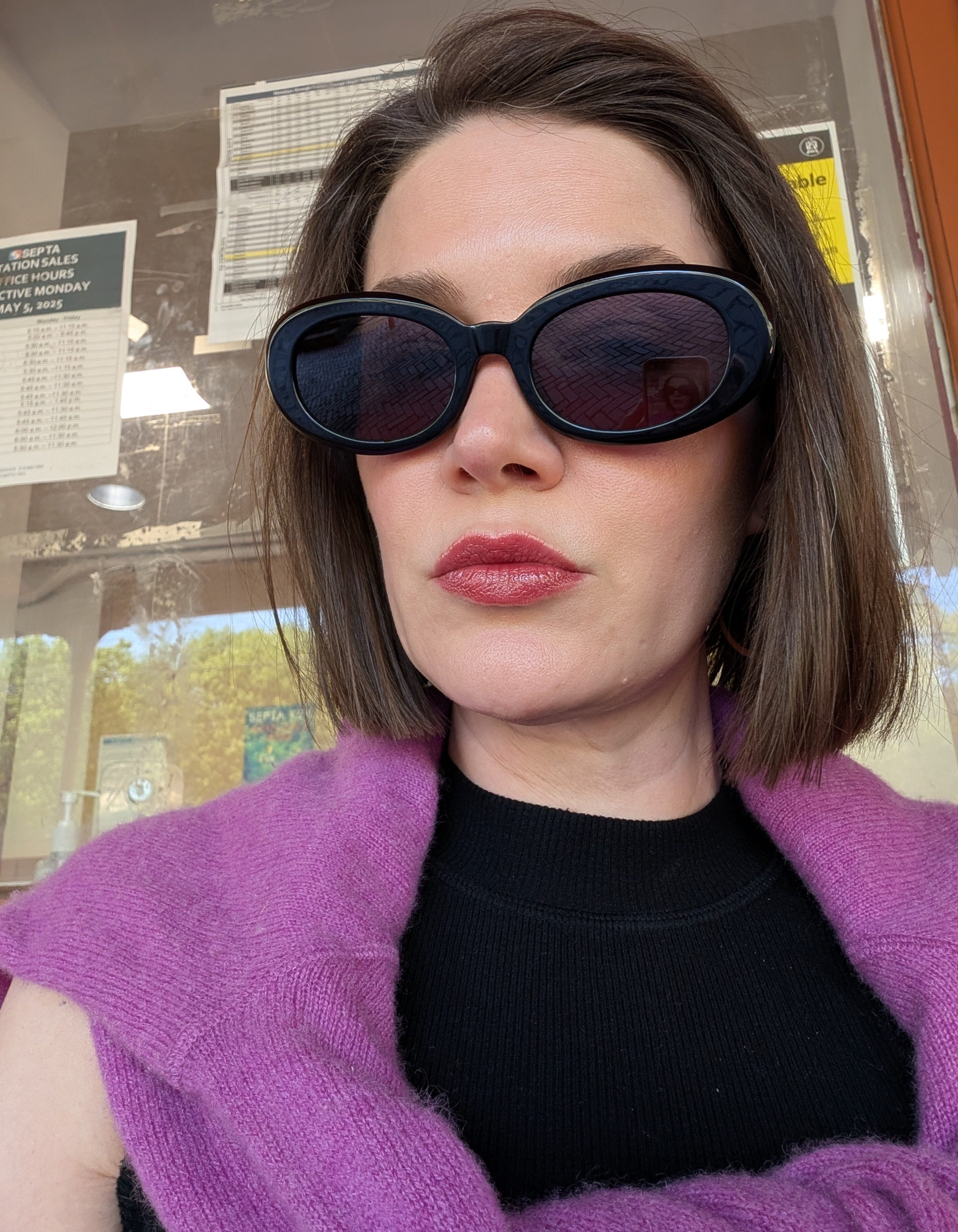
My favorite lippy that I bought pre-sale, in Amarante Noir and Pois de Senteur. Both layer nicely over this liner.
This being said, I will check hormone labs sometimes in my patients experiencing possible perimenopause symptoms, but in my case, I’m looking more specifically for excess testosterone and DHEA, as elevated levels of those hormones can cause acne and hair loss.
This is different for every person, but I think it takes a LONG time for our bodies to settle out after having kids/stopping breastfeeding. I personally felt like it took a full year post-breastfeeding to feel like my hormonal cycles had any semblance of regularity.
This post contains affiliate links, which means I may receive a small commission from products purchased through said links at no charge to you. * indicates products that were gifted to me. All products linked are ones I truly believe in, and your support is much appreciated <3
Such good info! Officially in my late 30s so very relevant 😭
Okay lippe!! That color looks gorgeous on you. I also love the point you made about talking to your mom! Such an underrated source of knowledge when it comes to this. I always leave your posts learning more and feeling like a better advocate for my health!